
Communication is one of the most important skills students need to succeed in academics and everyday life. The ability to express ideas clearly, listen to others, share opinions and participate in meaningful conversations helps children become confident individuals. However, communication skills cannot develop through textbooks alone. Students need opportunities to speak, interact and exchange ideas.
Debates and group discussions are two effective classroom activities that encourage students to communicate confidently. These activities allow children to express their thoughts, understand different perspectives and learn how to communicate respectfully. They also prepare students to handle real-life conversations, teamwork and future professional challenges.
Let’s understand how debates and group discussions contribute to students’ communication skills and overall development.
1. Builds Confidence in Public Speaking
Many students hesitate to speak in front of others because they fear making mistakes or receiving negative reactions. Participating in debates gives them a safe opportunity to overcome this hesitation.
When students prepare arguments and present their opinions before classmates, they gradually become comfortable speaking in front of an audience. With regular practice, they learn to control nervousness, maintain eye contact and express their thoughts confidently.
This confidence also helps them participate more actively in classroom discussions, presentations and other school activities.
2. Improves Listening and Understanding Skills
Good communication is not just about speaking. Listening carefully is equally important.
During group discussions, students hear different opinions and viewpoints from their classmates. They learn to listen without interrupting, understand what others are saying and respond appropriately.
These activities help children develop patience, respect and better understanding. They also teach students that people can have different opinions and that every perspective deserves consideration.
3. Develops Critical Thinking and Reasoning Abilities
Debates encourage students to think beyond basic textbook information. Before presenting their arguments, they need to understand the topic, collect relevant information and organise their thoughts.
They learn how to support their opinions with logical explanations, examples and facts.
For example, a classroom debate on the topic “Should Students Have Limited Screen Time?” encourages children to consider both the advantages and disadvantages of technology.
This process improves analytical thinking, reasoning and the ability to make informed decisions.
4. Enhances Vocabulary and Language Skills
Regular participation in debates and group discussions exposes students to new words, expressions and sentence structures.
As students explain their ideas, ask questions and respond to others, they gradually improve their vocabulary and sentence formation.
These activities also help children:
- Use appropriate words while communicating.
- Form clear and meaningful sentences.
- Improve pronunciation and fluency.
- Express complex ideas in simple language.
- Reduce hesitation while speaking.
Over time, students become more comfortable communicating in both academic and everyday situations.
5. Teaches Students to Respect Different Opinions
Every student has a different way of thinking. Group discussions help children understand that disagreements are a natural part of communication.
Students learn how to disagree politely, support their opinions with valid reasons and appreciate alternative viewpoints.
For instance, during a discussion about the importance of homework, some students may support regular assignments, while others may suggest activity-based learning.
Listening to these different perspectives teaches children tolerance, cooperation and mutual respect.
6. Encourages Teamwork and Collaboration
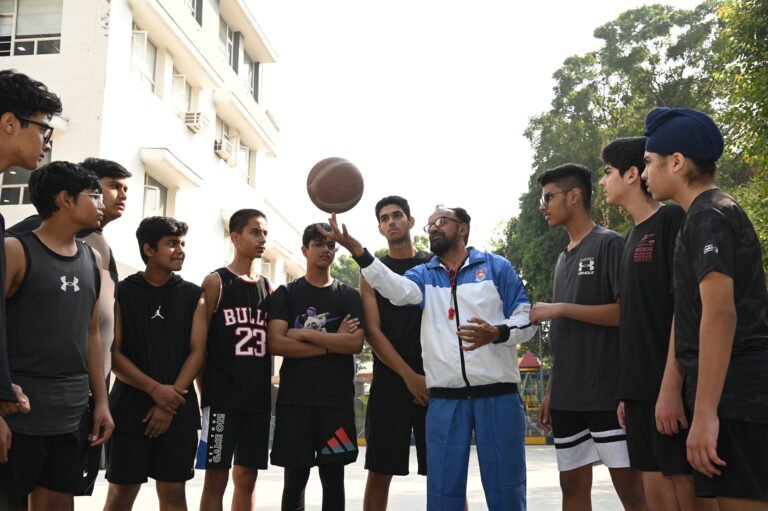
Group discussions bring students together to share knowledge, exchange ideas and work towards a common understanding.
When students participate in group activities, they learn to take turns, contribute meaningfully and encourage quieter classmates to share their thoughts.
These experiences develop teamwork, leadership and interpersonal skills. Students also understand that successful communication involves cooperation rather than simply trying to prove themselves right.
7. Prepares Students for Future Academic and Professional Challenges
Communication skills play an important role in higher education and professional life. Students who can present their ideas clearly often find it easier to participate in interviews, presentations, meetings and collaborative projects.
Debates and group discussions introduce children to these situations at an early stage.
They develop the ability to organise information, respond to questions, communicate under pressure and present their viewpoints effectively.
These experiences help students become better prepared for future academic opportunities and workplace responsibilities.
How Schools Can Encourage Debates and Group Discussions
Schools can make communication-focused activities a regular part of classroom learning. Teachers can introduce simple and interesting topics according to students’ age groups and learning levels.
Some effective ways to encourage participation include:
- Weekly classroom debates: Organise discussions on age-appropriate topics related to education, technology, environment and everyday life.
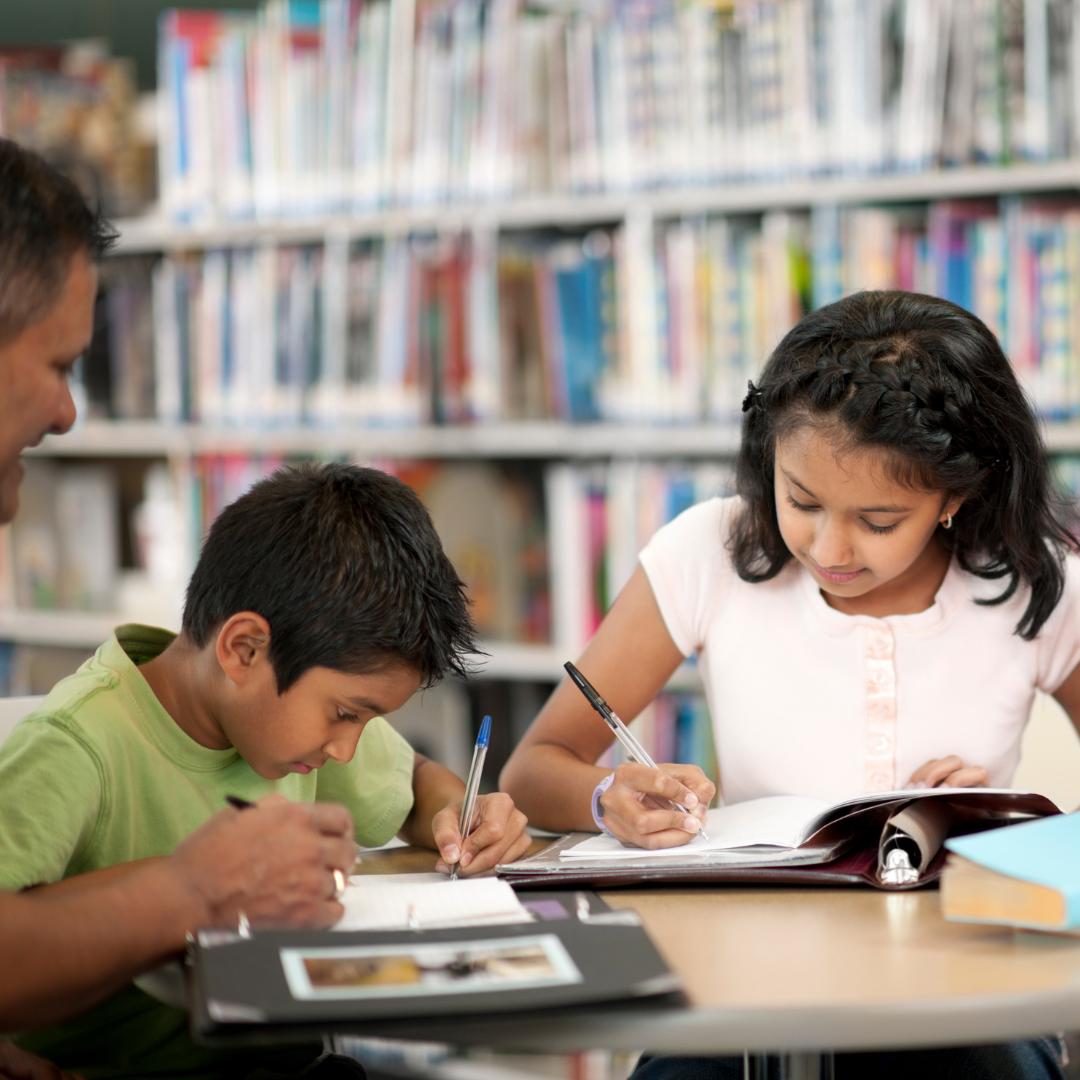
- Small group activities: Divide students into smaller groups so everyone gets an opportunity to speak.
- Storytelling sessions: Encourage children to narrate stories and share their experiences.
- Role-playing activities: Give students different roles to help them practise real-life conversations.
- Student presentations: Allow children to explain topics of their interest before the class.
- Open-ended questions: Ask questions that encourage students to think independently and share their opinions.
Teachers should create a supportive environment where students feel comfortable expressing themselves without worrying about making mistakes.
The Bharat School: Encouraging Confident and Effective Communication
At The Bharat School, Panchkula, education focuses on supporting students’ academic learning and overall personality development. Along with classroom education, opportunities for participation, interaction and collaborative learning help children develop essential life skills.
By encouraging students to share ideas, participate in classroom activities and communicate with their peers, the school supports the development of confidence, creativity and independent thinking.
Parents looking for the Best CBSE School in Panchkula should consider an educational environment that gives importance to communication, practical learning and holistic student development.
Choosing among the Top CBSE School in Panchkula options or exploring different CBSE Schools in Panchkula involves looking beyond academic results. Opportunities for public speaking, teamwork and extracurricular participation are also important factors.
The Top Schools in Panchkula understand that preparing children for the future means helping them become confident speakers, active listeners and responsible individuals.
Conclusion
Debates and group discussions are more than just classroom activities. They help students develop confidence, improve language skills, think critically and respect different perspectives. These experiences also prepare children for effective communication in academic, social and professional environments.
When schools provide regular opportunities for students to express themselves, they help build individuals who are confident, thoughtful and ready to face future challenges. Developing strong communication skills during school years can create a lasting positive impact on a child’s personal and professional growth.
Frequently Asked Questions (FAQs)
- Why are debates important for school students?
Debates help students improve public speaking, build confidence, develop critical thinking and learn how to present their opinions with logical arguments.
- How do group discussions improve communication skills?
Group discussions encourage students to listen carefully, share ideas, ask questions and respond respectfully. They also improve vocabulary and speaking fluency.
- At what age should students start participating in debates?
Children can start with simple discussions and storytelling activities during their primary school years. More structured debates can be introduced as they develop their language and reasoning abilities.
- What is the difference between a debate and a group discussion?
A debate involves presenting arguments for or against a particular topic, while a group discussion focuses on exchanging ideas and exploring different perspectives to reach a better understanding.
- How can parents improve their child’s communication skills at home?
Parents can encourage children to share daily experiences, discuss interesting topics, read aloud, narrate stories and express their opinions during family conversations.