Category: Uncategorized

  • How to Prepare Your Child for Admission: Tips for Parents

    How to Prepare Your Child for Admission: Tips for Parents

    Getting your child ready for school admission can feel exciting, hopeful, and sometimes a little stressful. Every parent wants their child to perform well, feel confident, and make a smooth transition into a new school environment. The good news? A little preparation — both emotional and practical — can make the entire process easier for you and your child.

    Here are some simple, effective tips to help you prepare your child for admission, whether it’s for pre-primary, primary, or elementary classes.

    1. Talk Positively About School

    Your child’s attitude toward school is influenced by how you speak about it.

    • Explain what a school is like — fun activities, new friends, caring teachers.
    • Avoid using school as a “scare tactic” (e.g., “Be good or you won’t get admission”).
    • Share your own happy school memories to create excitement and comfort.

    A positive mindset helps reduce anxiety and builds confidence.

    2. Establish a Daily Routine

    Most schools expect children to follow a predictable routine. Start practicing it at home:

    • Set fixed wake-up and sleep times.
    • Encourage independent eating, dressing, and basic hygiene.
    • Introduce short “study time” sessions to build focus.

    This makes the transition to the school environment smooth and stress-free.

    3. Build Basic Academic Readiness (Age-Appropriate)

    Children don’t need perfect academics — just the basics:

    • For preschoolers: colors, shapes, recognizing letters/numbers, simple rhymes.
    • For primary: reading simple sentences, basic counting, identifying objects, general awareness.
    • For higher classes: revision of previous year’s topics, problem-solving habits.

    Keep learning fun — through games, flashcards, picture books, and storytelling.

    4. Encourage Communication Skills

    Many schools observe how children respond, express themselves, or follow instructions.
    You can build this easily at home by:

    • Asking them simple questions (“What do you like to play?”, “What did you learn today?”)
    • Encouraging them to speak in full sentences
    • Reading picture books together
    • Teaching them to respond politely (“Hello”, “Good morning”, “Thank you”)

    Communication confidence helps children interact smoothly during admission interactions.

    5. Practice Social Skills

    Schools are social environments. Help your child learn basic social habits, such as:

    • Sharing toys
    • Waiting for their turn
    • Playing with others
    • Saying “please” and “sorry” when needed
    • Respecting elders and teachers

    These simple habits help teachers see that your child adapts well to groups.

    6. Visit the School Before Admission Day

    If possible, take your child to the campus.

    • Show them classrooms, playground areas, or activity rooms.
    • Explain: “This is where you will learn and play.”
    • Let them become familiar with the surroundings.

    A familiar environment reduces first-day nervousness.

    7. Prepare Necessary Documents Early

    Avoid last-minute stress by organizing:

    • Birth certificate
    • Passport-size photos
    • Previous school records (if applicable)
    • ID proofs
    • Vaccination card
    • Address proof

    Put all documents in a folder for quick submission.

    8. Boost Your Child’s Confidence

    A child who feels secure at home performs better everywhere.
    You can boost confidence by:

    • Appreciating small achievements
    • Avoiding comparing them with other kids
    • Allowing them to make small choices (e.g., “Which tiffin do you want today?”)
    • Teaching them simple problem-solving (“What should you do if you spill water?”)

    Confident children show natural curiosity and eagerness to learn.

    9. Prepare Emotionally for Separation

    For smaller children, the thought of being away from parents can be overwhelming.
    To ease this:

    • Practice short separations at home (leaving them with grandparents, a relative, or trusted caregiver).
    • Avoid dramatic goodbyes.
    • Reassure them you will return after school.

    Gradual independence builds emotional readiness.

    10. Stay Calm and Supportive

    Children can sense your emotions. If you are nervous, they may feel anxious too.

    • Stay patient
    • Give comfort
    • Focus on encouragement instead of pressure
    • Remind them that admission is simply a step toward learning and fun

    A calm parent often creates a calm child.

    Final Thoughts

    Preparing your child for school admission is not about perfection — it’s about building confidence, good habits, and emotional readiness. When parents take simple, consistent steps at home, children walk into their admissions journey feeling secure, happy, and eager to learn.

    With positive support and the right guidance, your child’s admission experience can become smooth and joyful — the start of a successful educational journey.
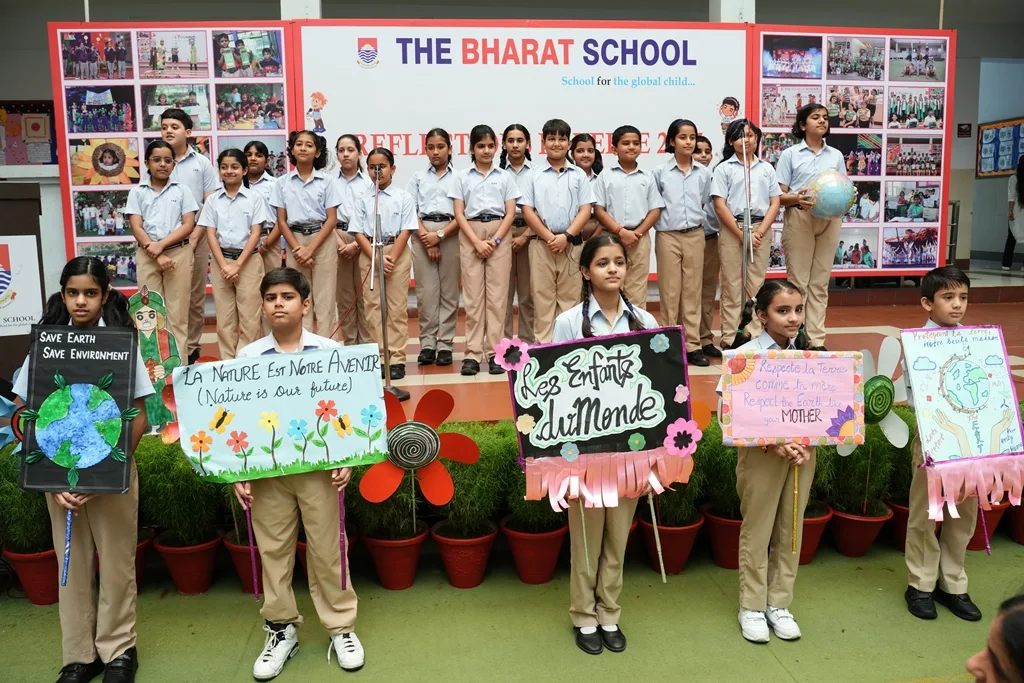
  • How Our Teachers Use Project-Based Learning in Classrooms

    How Our Teachers Use Project-Based Learning in Classrooms

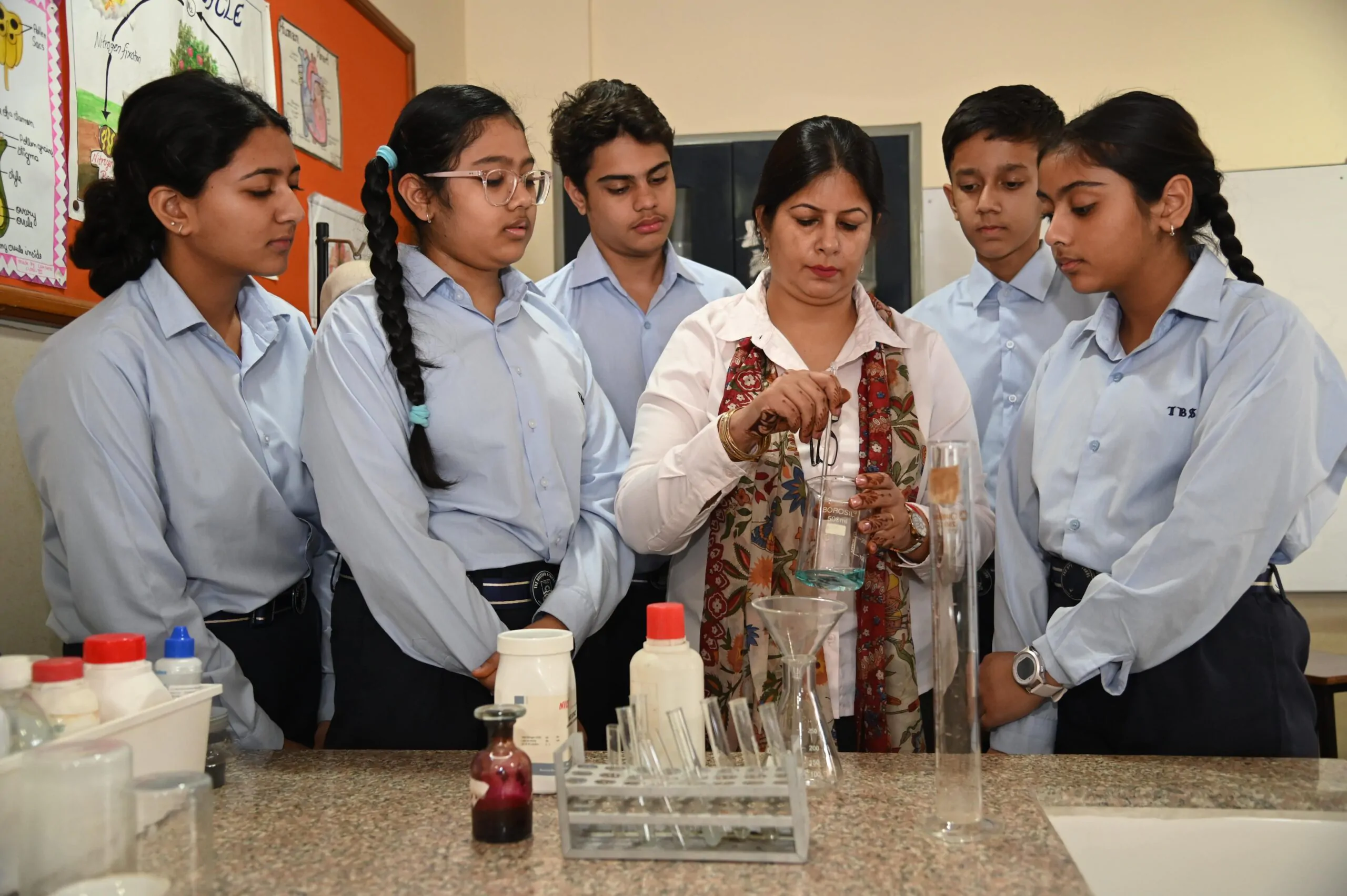
    Education today is not just about textbooks and exams—it’s about preparing students to think critically, solve problems, and apply knowledge in real life. At The Bharat School, recognized as one of the Best CBSE Schools in Panchkula, we believe that students learn best when they are actively involved in the process. That’s why our teachers use Project-Based Learning (PBL), an approach that turns classrooms into hubs of creativity and exploration. Through hands-on projects, students don’t just study concepts—they experience them, making learning meaningful, exciting, and long-lasting.

    What is Project-Based Learning?

    Project-Based Learning is a teaching method where students gain knowledge and skills by working on projects over an extended period of time. These projects focus on real-world problems, encouraging students to research, collaborate, and present solutions creatively. Instead of simply reading about a topic, students engage with it in depth.

    How Our Teachers Implement PBL at The Bharat School

    1. Connecting Learning to Real-Life Problems

    Our teachers design projects that go beyond textbooks. For example, instead of only studying the concept of sustainability in science, students create a “Waste Management Plan” for the school. This not only deepens their scientific understanding but also nurtures responsibility toward the environment.

    2. Collaborative Teamwork

    In every project, students are encouraged to work in groups. Teachers guide them on how to distribute roles, share ideas, and resolve conflicts. This teamwork prepares them for the future workplace, where collaboration is a key skill.

    3. Guided Inquiry and Research Skills

    Teachers act as facilitators rather than just information providers. They help students frame questions, explore reliable resources, and develop problem-solving skills. This fosters curiosity and builds independent learners who know how to seek answers.

    4. Integration Across Subjects

    Projects are designed to blend multiple subjects. For instance, a project on “Local Heritage” combines history (researching traditions), art (creating models), and language (writing reports). This holistic approach ensures that learning is not restricted to one subject area.

    5. Presentation and Reflection

    Students showcase their projects through exhibitions, presentations, or digital storytelling. Teachers then encourage reflection sessions where students discuss what worked, what didn’t, and how they can improve. This builds communication skills and self-confidence.

    Benefits of Project-Based Learning

    • Deeper Understanding – Students retain knowledge longer because they apply concepts in real situations.
    • Critical Thinking – Projects push learners to analyze, evaluate, and create solutions.
    • Creativity & Innovation – Students explore new ways to express their ideas.
    • Life Skills Development – Collaboration, communication, and time management become part of learning.
    • Student Engagement – Learning becomes exciting and relevant, motivating students to take ownership.

    Real Examples from Our Classrooms

    • Grade 3 students created a “Mini Farmers’ Market” project where they learned about agriculture, money management, and nutrition.
    • Grade 5 students worked on a “Save Water Campaign” by designing posters, writing persuasive essays, and creating awareness videos.
    • Senior students developed a “Robotics for Daily Life” project, showcasing prototypes that could assist in small household tasks.

    These initiatives show how classroom learning transforms into meaningful experiences at one of the most trusted CBSE Schools in Panchkula.

    The Teacher’s Role in PBL

    Our teachers act as mentors and guides. They set goals, provide resources, and give students the freedom to explore. Rather than giving ready-made answers, they encourage students to think critically and independently.

    Conclusion

    At The Bharat School, known as the Best CBSE School in Panchkula, Project-Based Learning is more than a teaching technique—it’s a philosophy that nurtures curiosity, creativity, and lifelong learning. By bringing real-world relevance into the classroom, our teachers prepare students not just for exams but for life.

    👉 If you are exploring CBSE Schools in Panchkula that focus on holistic development, practical learning, and academic excellence, The Bharat School is the right choice for your child.

  • How Morning Assemblies Shape Character and Confidence

    How Morning Assemblies Shape Character and Confidence

    Every school day begins with a moment that sets the tone for learning, discipline, and inspiration — the morning assembly. While it may seem like a routine gathering, it is actually one of the most powerful tools for developing a child’s personality, confidence, and values. At The Bharat School, we believe that morning assemblies are more than just prayers and announcements; they are a stage for learning life lessons that shape young minds for the future.

    A Positive Start to the Day

    Morning assemblies give students a calm and organized start to their day. Standing together, singing the school prayer, and listening to inspiring thoughts helps children begin with positivity and focus. It builds a sense of unity, belonging, and readiness to learn. When students start their day with purpose, they are more attentive and enthusiastic in class.

    Building Confidence Through Public Speaking

    For many children, speaking in front of an audience for the first time happens during the school assembly. Whether it’s delivering the “Thought of the Day,” reading the news, or performing a short skit, every child gets a chance to stand tall and speak with confidence.
    This exposure to public speaking helps overcome stage fear and boosts self-esteem. Over time, students learn to express themselves clearly and fearlessly — an essential life skill that stays with them forever.

    Instilling Values and Discipline

    Morning assemblies are not just about information; they are about formation — of good habits and values. Through moral stories, quotes, and messages, children learn lessons of honesty, respect, gratitude, and kindness.
    Standing in neat rows, listening silently, and following instructions also builds discipline and self-control. These small routines form the foundation of strong character and responsible citizenship.

    Promoting Team Spirit and Togetherness

    When hundreds of students sing the national anthem or school song together, it builds a sense of unity and shared pride. Group performances, theme-based assemblies, and cultural presentations teach teamwork, cooperation, and respect for others’ efforts.
    Assemblies become a platform where students celebrate diversity and learn to work towards common goals — qualities that make them better team players in life.

    Learning Beyond the Textbooks

    Each assembly can be themed around important topics such as environment awareness, mental health, festivals, famous leaders, or social causes. These sessions teach students about the world beyond the classroom and inspire them to think critically and act responsibly.
    By participating in themed assemblies, children not only gain knowledge but also learn empathy, civic sense, and awareness of real-world issues.

    Encouraging Student Leadership

    At The Bharat School, we encourage students to lead assemblies — from planning scripts to organizing performances. This responsibility nurtures leadership, organization, and collaboration skills. Students learn to take ownership and make decisions with confidence and accountability.

    Conclusion: Small Moments, Big Impact

    A morning assembly might last just 15–20 minutes, but its impact lasts a lifetime. It lays the foundation for discipline, builds moral strength, and nurtures confidence.
    At The Bharat School, we see the morning assembly as the heart of our school culture — where every child learns to express, connect, and grow into a confident, compassionate individual ready to face the world.

  • Why Choose CBSE for Your Child? Key Benefits Every Parent Should Know

    Why Choose CBSE for Your Child? Key Benefits Every Parent Should Know

    Selecting the right education board is one of the most important decisions for every parent. Among the many options available in India, the Central Board of Secondary Education (CBSE) stands out as one of the most trusted and widely recognized. With a strong academic structure, modern teaching methods, and nationwide acceptance, CBSE has become the preferred choice for families who want holistic development for their children.

    In this blog, let’s explore the top benefits of CBSE and why it could be the perfect fit for your child.

    1. National and Global Recognition

    CBSE is one of the most popular boards in India, and its curriculum is accepted by almost every school and college in the country. Beyond India, many international schools and universities also recognize CBSE certificates, giving your child wider opportunities for higher education abroad.

    2. Balanced and Student-Friendly Curriculum

    The CBSE curriculum is designed to be child-centric, focusing not just on academics but also on practical learning, skill development, and extracurricular activities. The emphasis is on understanding concepts rather than rote learning, which helps students develop strong problem-solving skills.

    3. Strong Foundation for Competitive Exams

    CBSE has a scientifically designed syllabus that aligns closely with entrance exams like JEE, NEET, UPSC, and NDA. Students from CBSE schools often have an advantage in these exams because the board’s curriculum already introduces them to the required concepts and question patterns.

    4. Equal Focus on Languages and Sciences

    CBSE ensures a balanced exposure to languages, sciences, mathematics, and social studies. English and Hindi are taught with equal emphasis, making students fluent in communication. At the same time, the board places great importance on STEM education, nurturing logical thinking and analytical skills.

    5. Emphasis on Skill-Based Learning

    In recent years, CBSE has adopted a skill-based learning approach, offering subjects like Artificial Intelligence, Financial Literacy, and Entrepreneurship in many schools. This helps students gain practical knowledge and prepares them for the rapidly changing world.

    6. Smooth Relocation for Families

    For parents who often relocate due to jobs or business, CBSE is a blessing. With thousands of CBSE-affiliated schools across India and abroad, children can transfer smoothly without facing major changes in the syllabus or teaching style.

    7. Continuous and Comprehensive Evaluation (CCE)

    CBSE follows a system of regular assessments and projects rather than relying only on final exams. This reduces exam pressure and encourages students to perform consistently throughout the year.

    8. Focus on Co-Curricular Activities

    Apart from academics, CBSE schools encourage participation in sports, arts, music, and cultural events. This well-rounded approach ensures that children not only excel in studies but also discover their hidden talents.

    9. Stress-Free Learning Environment

    CBSE has revised its examination patterns and marking schemes over the years to make learning less stressful. Activity-based learning, project work, and application-oriented questions help children enjoy the process of education.

    10. Preparation for the Future

    By combining academics, skill-based subjects, and personality development, CBSE ensures that students are ready for higher studies, competitive exams, and life beyond school. It nurtures confident individuals who can succeed in any path they choose.

    Final Thoughts

    Choosing CBSE means giving your child an education that is recognized, relevant, and future-ready. Whether it is career opportunities, skill development, or overall personality growth, CBSE provides the right balance that parents look for.

    If you are searching for the best CBSE school in Panchkula, make sure you pick one that offers not just academic excellence but also focuses on nurturing curiosity, creativity, and character. After all, the right foundation today can shape your child’s success tomorrow.

  • How CBSE Schools Prepare Children for a Changing World

    How CBSE Schools Prepare Children for a Changing World

    The world our children will step into is changing faster than ever. As parents, we often wonder if our kids will be ready for it. The good news? Many Schools in Panchkula are already shaping classrooms to match this new world, ensuring that children learn not just what’s in the books but also the skills they need to thrive outside them.

    That’s where CBSE Schools in Panchkula come in, turning learning into something meaningful, practical, and exciting. They focus on nurturing curiosity, creativity, and confidence in every child. By encouraging exploration and independent thinking, these schools prepare children to face tomorrow with courage and adaptability.

    Learning More Than Just Marks

    Gone are the days when school meant cramming for exams. Today, many CBSE schools focus on understanding concepts, asking questions, and applying what’s learned in real-life situations.

    Children are encouraged to try new things, ask questions, and use their imagination. Whether it’s a science project using kitchen supplies or a class discussion about current events, these activities prepare kids to tackle real-world problems confidently.

    They learn to talk about their ideas and listen carefully to what others say. These small steps help children feel ready to handle challenges in everyday life.

    Tech-Friendly Classrooms

    We live in a world driven by technology, and schools are catching up. Smart boards, coding classes, and interactive digital learning have become part of everyday lessons.

    In many CBSE schools in Panchkula, children learn to use technology not just for gaming but to create presentations, code simple programs, and learn research skills that prepare them for tomorrow’s careers.

    Building Confidence and Communication

    The world today needs children who can speak with confidence. Schools in Panchkula now focus on activities that help children talk, share their ideas, and work together with others.

    Through storytelling, debates, and group activities, children get a chance to practice speaking clearly and sharing their thoughts in a simple way.

    Focus on Life Skills

    Life skills like problem-solving, managing emotions, and critical thinking are just as important as academics. Schools are weaving these into daily learning through discussions, role-plays, and reflective activities.

    Children learn how to manage stress, handle setbacks, and find solutions to challenges – essential skills for any future.

    Sports and Wellness Matter

    It’s not just about classrooms and books. A healthy mind needs a healthy body. CBSE schools encourage sports, yoga, and physical activities, helping children learn teamwork and discipline while having fun.

    These activities build resilience and teach kids the importance of maintaining a balanced lifestyle, even when life gets busy.

    Learning Values Alongside Skills

    In a world that sometimes feels disconnected, schools are helping children stay grounded. Through activities, discussions, and community service initiatives, children learn empathy, kindness, and responsibility.

    They understand the importance of caring for others, respecting differences, and being active, positive contributors to society.

    Preparing for Careers, Not Just Exams

    Parents often worry about whether their child will find their path. Schools are addressing this by introducing career awareness at an early age, allowing children to explore interests in science, art, sports, technology, and more.

    Workshops, guest sessions, and projects give children a taste of different fields, helping them discover their strengths without pressure.

    Conclusion: Schools in Panchkula for a Brighter Tomorrow

    Choosing the right schools in Panchkula is about more than just academic results. It’s about finding a place where your child will learn to think independently, communicate confidently, and adapt to new challenges.

    CBSE schools in Panchkula are working towards creating environments where children feel safe to explore, fail, learn, and grow – all while preparing for a world that is constantly evolving.

    They help children discover their strengths and build on them every day. They also teach children to be kind and work well with others.

    Because the future belongs to those who are ready for it, and the right school can help your child get there joyfully.

  • Top 10 Reasons Why The Bharat School is the Best CBSE School in Panchkula

    Top 10 Reasons Why The Bharat School is the Best CBSE School in Panchkula

    When parents search for the Best CBSE School in Panchkula, they look for a school that not only promises academic performance but also delivers holistic development. The Bharat School, Panchkula, checks all these boxes and more. With a structured CBSE curriculum, progressive infrastructure, and experienced teachers, The Bharat School has emerged as one of the Top Schools in Panchkula for Classes 1 to 12 and beyond.

    Let’s explore the top 10 reasons why this school stands out from the crowd.

    The Bharat School: A Quick Overview

    Located in Panchkula, The Bharat School is committed to providing a value-based, modern education aligned with the CBSE curriculum. The school prioritizes academic excellence, moral values, physical well-being, and emotional intelligence — essential components of 21st-century education.

    1. CBSE-Centric & Future-Ready Curriculum

    As a proud CBSE school in Panchkula, The Bharat School ensures:

    • Concept-based learning, not rote memorization
    • Integration of NEP 2020 guidelines
    • Focus on English, Mathematics, EVS, Hindi, and G.K.
    • Foundation-level exposure to coding and technology

    The school equips students with the tools needed for long-term academic and professional success.

    2. Qualified & Experienced Faculty

    Teachers at The Bharat School are:

    • CBSE-certified professionals
    • Regularly trained in modern pedagogy
    • Focused on individual student growth
    • Committed to regular assessments and feedback

    The low student-teacher ratio ensures that every child receives personal attention.

    3. Smart Classrooms & Digital Learning

    In this digital age, smart classrooms are non-negotiable. The Bharat School offers:

    • Interactive boards in every classroom
    • Digital attendance and homework systems
    • Use of educational apps and video learning tools
    • Real-time performance tracking for parents

    This setup enhances engagement and ensures a seamless blend of tradition and technology.

    4. Modern Labs & Academic Infrastructure

    • Math and Language Labs
    • E-library with interactive content
    • Multimedia rooms
    • Safe, ergonomic furniture for young learners

    These facilities help build a strong foundation for senior classes as students grow.

    5. Focus on Discipline & Core Values

    Education without values is incomplete. The Bharat School ensures:

    • Daily value education and morning assemblies
    • Respect, honesty, and empathy workshops
    • Classroom ethics and punctuality enforcement
    • Anti-bullying policies and peer respect programs

    This makes it one of the best schools in Panchkula for holistic child development.

    6. Co-curricular Excellence

    Learning continues beyond textbooks here. Students regularly engage in:

    • Art and craft, music, and dance
    • Debates, storytelling, and quiz competitions
    • Annual functions and exhibitions
    • Celebration of national and cultural events

    These activities ensure balanced cognitive and emotional growth.

    7. Competitive Exam Preparation

    Early exposure to structured problem-solving and analytical thinking helps children:

    • Prepare for Olympiads, Spell Bee, and quizzes
    • Gain confidence through inter-school contests
    • Build strong fundamentals for future JEE/NEET prep
    • Develop logical thinking and aptitude

    8. Safe & Supportive School Environment

    Safety and well-being come first:

    • CCTV-monitored premises
    • Friendly support staff
    • Regular health checkups
    • Fire and disaster drills

    The school creates a secure environment that supports children emotionally and physically.

    9. Affordable Fee with High ROI

    Quality education doesn’t have to be expensive. The Bharat School offers:

    • Transparent fee structure
    • No hidden charges
    • Discounts for siblings
    • Value-packed education model

    This makes it ideal for parents seeking high-quality CBSE schools in Panchkula on a budget.

    10. Trusted by Parents & Loved by Students

    The school enjoys strong community trust:

    “My child loves going to school every day. The environment is so nurturing.” – Parent Review
    “From day one, we noticed a change in our son’s confidence and learning abilities.” – Google Review

    With growing demand, it’s clear why it’s recognized as one of the Top Schools in Panchkula.

    Frequently Asked Questions (FAQs)

    Q1. Is the Bharat School affiliated with CBSE?
    Yes, it follows the CBSE curriculum and aligns with the latest NEP 2020 standards.

    Q2. What grades does The Bharat School currently offer?
    Currently, the school offers education from 1 to 12.

    Q3. How is the school different from other CBSE schools in Panchkula?
    The Bharat School offers a blend of academic rigor, values, co-curricular activities, and modern teaching techniques under one roof.

    Q4. What is the admission process at The Bharat School?
    You can apply via the official website https://thebharatschool.com or visit the school campus for a guided tour and counseling.

    Q5. Does the school provide transport facilities?
    Yes, it offers safe and GPS-enabled transportation services across Panchkula, Manimajra, Zirakpur, and Pinjore.

    Q6. Are there extra academic support programs for weak students?
    Yes, the school conducts remedial sessions and personal mentoring for students needing additional help.

    Conclusion

    Choosing the right school can shape your child’s future, and The Bharat School is clearly one of the best CBSE schools in Panchkula to trust. With its academic dedication, value-based teaching, digital infrastructure, and community trust, it’s a top choice for families who want nothing less than excellence.

  • The Role of Parents in a Child’s Learning Journey

    The Role of Parents in a Child’s Learning Journey

    Behind every confident and successful student is a team of dedicated parents. While teachers shape knowledge within classrooms, parents play a foundational role in shaping a child’s attitude towards learning, behavior, and motivation. In today’s dynamic educational environment, the involvement of parents has become more crucial than ever. At The Bharat School, recognized as a Best CBSE School in Panchkula, we understand that education is most effective when parents and teachers work hand in hand to nurture each child’s potential.

    Why Parental Involvement Matters

    Learning is not confined to school hours; it begins at home and continues throughout the day. A child’s first teachers are their parents, and the values, habits, and behaviors learned at home often lay the groundwork for academic success.

    Research consistently shows that children whose parents are actively involved in their education tend to:

    • Perform better academically
    • Have improved social skills
    • Show greater confidence and motivation
    • Develop a love for lifelong learning

    This involvement doesn’t necessarily mean helping with homework every night. It’s about being present, supportive, and engaged in your child’s overall growth—intellectually, emotionally, and morally.

    Ways Parents Can Support Their Child’s Learning

    Here are some effective and practical ways parents can contribute meaningfully to their child’s learning journey:

    1. Create a Positive Learning Environment at Home

    A well-lit, quiet space dedicated to reading and studying encourages consistency and focus. Ensure that your child has access to age-appropriate books, stationery, and learning materials. Limit distractions like television and mobile phones during study time.

    2. Encourage Curiosity and Questions

    Children are naturally curious. Instead of brushing off their endless “whys,” encourage them to ask more questions and explore answers together. This approach builds confidence, enhances critical thinking, and strengthens parent-child bonds.

    For example, if your child asks, “Why does the sun rise in the east?” – don’t just give an answer. Show them a video, read a book together, or demonstrate using a globe. Learning becomes fun and memorable when shared.

    3. Be a Role Model

    Children imitate what they see. If parents value education, read regularly, and discuss current affairs or science facts at the dinner table, children will develop the same habits. Demonstrating a positive attitude toward learning teaches children that education is not just a task—it’s a lifelong journey.

    4. Stay Connected with the School

    At The Bharat School, we encourage open communication between teachers and parents. Attend PTMs (Parent-Teacher Meetings), follow your child’s progress, ask for feedback, and discuss strategies for improvement. When children see their parents and teachers working as a team, they feel more secure and motivated.

    5. Support Emotional and Social Learning

    Education is more than just academics. Children must learn empathy, resilience, respect, and communication. Parents can nurture these skills through storytelling, role modeling, open conversations, and even playful situations like group games or chores.

    Praise efforts more than results. For instance, instead of saying, “Good job on scoring 95%,” say, “I’m proud of how hard you studied for that test.” This approach builds self-worth and encourages effort-based learning.

    6. Limit Screen Time and Encourage Real-World Learning

    While technology has its advantages, excessive screen time can reduce creativity, concentration, and physical activity. Instead, encourage your child to:

    • Play outside
    • Visit museums or science parks
    • Engage in hobby classes like music, dance, or sports
    • Help with cooking or gardening at home

    These experiences enhance problem-solving and life skills that no textbook can teach.

    7. Read Together, Learn Together

    One of the most powerful habits a parent can build with their child is reading. Reading together boosts vocabulary, comprehension, and imagination. Ask questions while reading stories: “What do you think will happen next?” or “What would you do if you were in this situation?” This turns passive reading into an interactive learning session.

    The Bharat School’s Approach to Parent Involvement

    At The Bharat School, we treat parents as active partners in our mission to nurture well-rounded, responsible, and confident individuals. We regularly organize:

    • Workshops and orientation programs for parents
    • Interactive sessions to share home-learning strategies
    • Cultural and educational events where parents participate with their children
    • Communication tools like WhatsApp groups, school apps, and newsletters to stay informed

    Our goal is to build a transparent and collaborative ecosystem where both educators and parents support each other to bring out the best in every child.

    Conclusion

    A child’s learning journey is a shared responsibility. When schools and families work together, children thrive. Whether it’s helping with homework, encouraging hobbies, or simply showing interest in their day-to-day school life, every small act by a parent has a lasting impact on a child’s development.

    At The Bharat School, we believe that parents are not just supporters but partners in education. Let’s work hand-in-hand to create a future where children feel inspired, empowered, and prepared for the world.

  • What Makes a School ‘Top Ranked’? Insights from the Best CBSE School in Panchkula

    What Makes a School ‘Top Ranked’? Insights from the Best CBSE School in Panchkula

    Selecting the right school for your child is one of the most important choices a parent will ever make. Among the many considerations, one term often catches attention: Top-Ranked School. But what defines a top-ranked school? We explore the core characteristics that elevate a school to the top tier and explain how these qualities are reflected in leading CBSE schools like The Bharat School in Panchkula.

    1. Academic Excellence and Structured Curriculum

    A school’s reputation is built first and foremost on academic performance. A top-ranked school consistently demonstrates strong academic results across subjects. In the case of CBSE schools in Panchkula, following the Central Board of Secondary Education framework ensures standardization, discipline, and conceptual clarity.

    At The Bharat School, emphasis is placed on conceptual understanding rather than rote learning. Project-based learning, integrated assessments, and support for competitive exams contribute to a solid academic foundation.

    2. Faculty Qualifications and Professionalism

    Qualified teachers are the cornerstone of quality education. Top-ranked schools hire faculty with strong academic backgrounds and provide regular training to keep them updated with new teaching strategies and educational tools.

    In The Bharat School, all educators undergo continuous professional development programs that equip them to handle both academic and emotional aspects of student development.

    3. Focus on Holistic Development

    In addition to academics, holistic development is crucial for a child’s growth. This includes opportunities for physical fitness, artistic expression, communication skills, and leadership.

    Top schools in Panchkula promote balanced growth through co-curricular activities such as music, dance, art, theater, and sports. These programs help students discover their passions and develop well-rounded personalities.

    4. Modern Infrastructure and Learning Environment

    An engaging, clean, and well-equipped environment enhances the learning experience. A top-ranked school typically features:

    • Smart classrooms
    • Science and computer labs
    • Libraries
    • Sports complexes
    • Safe transportation systems

    The Bharat School offers all of these facilities, ensuring students learn in a setting conducive to creativity and safety.

    5. Technology Integration in Teaching

    Today’s education goes beyond textbooks. Digital tools such as interactive boards, e-learning platforms, and educational apps are now vital components of classroom instruction.

    CBSE schools like The Bharat School in Panchkula integrate technology with the curriculum, helping students build digital fluency, access learning resources, and develop problem-solving skills.

    6. Emphasis on Emotional and Social Well-being

    A student’s mental and emotional well-being plays a huge role in their academic and personal success. Top schools offer guidance counseling, safe spaces, and emotional support systems.

    At The Bharat School, dedicated counselors and class mentors work closely with students to support them during times of stress or transition, making the learning environment more inclusive and compassionate.

    7. Strong School-Parent Communication

    Parental involvement strengthens student outcomes. A top-ranked school maintains transparent communication with parents through:

    • Regular parent-teacher meetings
    • Newsletters
    • Progress reports
    • Digital updates

    The Bharat School ensures parents are active participants in their child’s education journey, fostering trust and collaboration.

    8. Student Achievements and Recognition

    Top-performing schools have a proven track record in academics, sports, and extracurricular achievements. These accolades reflect a commitment to nurturing talent.

    The Bharat School has consistently produced students who excel in board exams, win scholarships, and represent the school in regional and national competitions.

    9. Alignment with the National Education Policy (NEP)

    The New Education Policy 2020 emphasizes conceptual learning, skill development, multilingualism, and creativity. Top CBSE schools are early adopters of NEP practices.

    The Bharat School aligns its curriculum with NEP 2020 through interdisciplinary learning, foundational literacy initiatives, and critical thinking programs.

    Conclusion

    In summary, a top-ranked school offers more than good grades. It builds character, nurtures creativity, supports emotional well-being, and prepares students for the challenges of the modern world. The Bharat School, recognized as one of the Best CBSE Schools in Panchkula, exemplifies these qualities.

    Parents looking for a school that prioritizes both academic excellence and holistic development can consider The Bharat School as a well-rounded, future-ready institution committed to student success.

  • Study Smart, Not Hard: Best CBSE School in Panchkula Guide to Smarter Learning!

    Study Smart, Not Hard: Best CBSE School in Panchkula Guide to Smarter Learning!

    Why “Smart Studying” Beats Long Hours?

    Do you ever feel like youʼre studying all day but not remembering anything? Youʼre not alone! At The Bharat School, the Best CBSE School in Panchkula, we teach students how to study smarter—not longer. Think of your brain like a smartphone: you donʼt need to charge it 24/7, just charge it the right way! Letʼs dive into easy, fun strategies to boost your grades without burning out.

    What Does “Studying Smart” Even Mean?

    Studying smart means learning more in less time. Itʼs like using a shortcut in a video game! Instead of staring at books for hours, you use tricks to make your brain fiocus better and remember fiaster. Hereʼs how:

    10 Super Cool Tips to Study Smarter

    1 Break It Down: The Power of Tiny Goals

    Imagine eating a whole pizza in one bite—itʼs impossible! Similarly, split your study time into 25-minute chunks (called the Pomodoro Technique).

    • Study for 25 minutes → Take a 5-minute break (dance, jump or snack!).
    • After 4 chunks, reward yourself with a 15-minute break.

    Why it works: Your brain stays fresh and focused!

    2 Be a Teacher, Not Just a Student

    Pretend youʼre explaining a chapter to a 5-year-old. Use simple words, like

    • “Photosynthesis is how plants eat sunlight!”
    • If you can teach it, youʼve truly learned it!

    3 Color Your World (and Notes!)

    Avoid boring notes! Use:

    • Highlighters: Pink for important dates, green for definitions.
    • Sticky notes: Write formulas and stick them on your mirror.
    • Mind maps: Draw a tree with branches for each topic (e.g., “History” → “Kings” → “Battles”).

    4 Past Papers: Your Secret Weapon

    Ask your teachers for CBSE sample papers or last yearʼs question papers. Practicing these helps you:

    • Spot repeated questions.
    • Learn time management.
    • Feel confident on exam day!

    5 Sleep Your Way to an A+

    Your brain works like a computer—it needs to “save” what you learn! Pulling all-nighters? Big mistake. Instead:

    • Study tough topics 2 hours before bed (your brain processes them while you sleep!).
    • Aim for 8-9 hours of sleep every night.

    6 Find Your “Zen” Study Zone

    Your study spot matters! Avoid noisy areas or cluttered desks.

    • Ideal setup: a quiet corner, good lighting, a water bottle, and no phone (keep it in another room!).
    • Tell family, “Do Not Disturb—Genius at Work!”

    7 Doodle to Remember

    Yes, doodling is allowed! Drawing tiny pictures related to your notes (e.g., a rocket for “space chapter”) helps your brain store information visually.

    8 Test Yourself (No Cheating!)

    After reading a chapter, close the book and ask:

    • What were the 3 main points?
    • Can I write 2 questions from this topic?
      Self-tests improve memory by 50% compared to just re-reading!

    9. Move Your Body, Boost Your Brain

    Sitting all day makes your brain sleepy. Try:

    • 5-minute dance breaks between study sessions.
    • Stretching or walking while reciting tables or poems.

    10. Eat Brain Foods

    Snack on:

    • Nuts and seeds (like almonds or pumpkin seeds).
    • Fruits (blueberries = brain berries!).
    • Dark chocolate (small pieces for focus!).

    Mistakes to Avoid (Save Time G Energy!)

    Even smart students make these mistakes:

    • Cramming last minute: Your brain canʼt absorb 10 chapters in one night!
    • Multitasking: Watching TV + studying = learning nothing.
    • Skipping revisions: Review notes for 10 minutes daily to save hours later.

    How The Bharat School Helps You Study Smarter?

    Ranked as the top CBSE school in Panchkula, we make learning active andenjoyable:

    • Smart classrooms: Animated videos and quizzes to explain tough topics.
    • Workshops: time management, mind-mapping, and stress-busting sessions.
    • CBSE-focused kits: sample papers, revision timetables and project guides.

    FAQs About Smart Studying

    Q: How do I stay motivated?

    A: Set small rewards—like 10 minutes of gaming after finishing a chapter!

    Q: What if I still donʼt understand a topic?

    A: Ask teachers or friends, or watch YouTube tutorials (with parent permission!).

    Q: Why choose The Bharat School for CBSE admissions?

    A: We focus on holistic learning—combining academics, creativity, and life skills!

    Conclusion: Ready to Study Smart?

    Studying smarter isnʼt magic—itʼs about using the right tools! At The Bharat School, the best CBSE school in Panchkula, we help students unlock their full potential with less stress and more fun.

    Join Our Smart Learnerʼs Club!

    If youʼre looking for a school that turns learning into an adventure, check out

    CBSE admissions at The Bharat School. Letʼs make studying a superpower!

  • Exploring the Exciting World of AI: The Future Awaits!

    Exploring the Exciting World of AI: The Future Awaits!

    Welcome, young minds of the Best CBSE School in Panchkula, where we are constantly looking forward to the future and embracing the latest advancements in technology and innovation. Today, we have an exciting journey ahead of us as we dive into one of the most fascinating and rapidly evolving fields that’s shaping our world: Artificial Intelligence, or AI.

    Get ready to explore the wonders of AI, understand how it works, and discover the incredible ways it is transforming our lives. Whether it’s in healthcare, education, entertainment, or even in our daily routines, AI is making a significant impact, and we can’t wait to share this amazing world with you.

    So, buckle up and get ready for an adventure into the realm of Artificial Intelligence!

    What is AI?

    Artificial Intelligence is a fascinating branch of computer science focused on creating machines that can think and act intelligently. Picture robots that can play chess, apps that understand your voice, or cars that drive themselves. These are all exciting examples of AI in action.

    How Does AI Work?

    AI systems are fascinating because they learn from data in a way that’s quite similar to how we learn from our experiences. Imagine how you remember things you’ve seen or done before; AI does something comparable but with the information it’s provided. It uses algorithms, which you can think of as detailed recipes, to sift through this data and come up with decisions or predictions.

    For instance, if you wanted to teach an AI program to recognize cats, you would show it thousands of pictures of cats. Over time, the AI would analyze these images and pick up on patterns and features that are common to cats. So, when you later show it a new picture, it can use what it has learned to identify whether or not there’s a cat in that image. It’s like how you can recognize a friend in a crowd after seeing them many times before.

    AI in Our Daily Lives

    You might not realise it, but AI is already a big part of your daily life. Here are a few ways AI is being used:

    1. Voice Assistants: Devices like Siri and Alexa use AI to understand and respond to your questions.
    2. Recommendation Systems: When you watch videos on YouTube or movies on Netflix, AI suggests content based on what you’ve watched before.
    3. Healthcare: AI helps doctors diagnose diseases more accurately and quickly.
    4. Education: Some apps use AI to personalise your learning experience, helping you understand topics better.


    The Future of AI

    The upcoming generation of AI promises even more exciting advancements. Here are some possibilities:

    1. Improved Healthcare: AI could help in early detection of diseases, personalised medicine, and even in conducting surgeries.
    2. Smart Cities: AI can manage traffic, reduce pollution, and improve public services.
    3. Education: AI will create more personalised learning experiences, making education more engaging and effective.
    4. Environmental Protection: AI can help in monitoring climate change, conserving wildlife, and managing natural resources more efficiently.


    Why Learn About AI?

    As students of the best school in Panchkula, you are the future leaders and innovators. Understanding AI will give you a head start in various fields. Here’s why learning about AI is important:

    1. Stay Ahead of the Curve: AI is a rapidly growing field with endless opportunities.
    2. Solve Real-World Problems: From healthcare to environmental conservation, AI can help solve some of the world’s biggest challenges.
    3. Career Opportunities: AI is creating new job opportunities in fields like data science, machine learning, and robotics.


    How to Start Learning AI?

    At our Top School in Panchkula, we encourage you to explore and learn about AI. Here are a few steps to get started:

    1. Online Courses: There are many free resources and courses online that introduce you to AI concepts.
    2. Join our Tech Buddies Club: Acquire the right skills and knowledge to navigate the Digital World.
    3. Stay Curious: Keep asking questions and exploring new technologies.


    Conclusion

    Artificial Intelligence is a powerful tool that will shape the future. As students of the Best Sr Sec School in Panchkula, you have the opportunity to be at the forefront of this exciting field. Embrace the possibilities, stay curious, and who knows? Maybe one day you’ll be creating the next big AI breakthrough!

    So, let’s continue to make our school one of the Best Schools in Panchkula by staying ahead in technology and innovation. The future is bright, and it’s yours to shape!

    Stay curious, and keep learning!