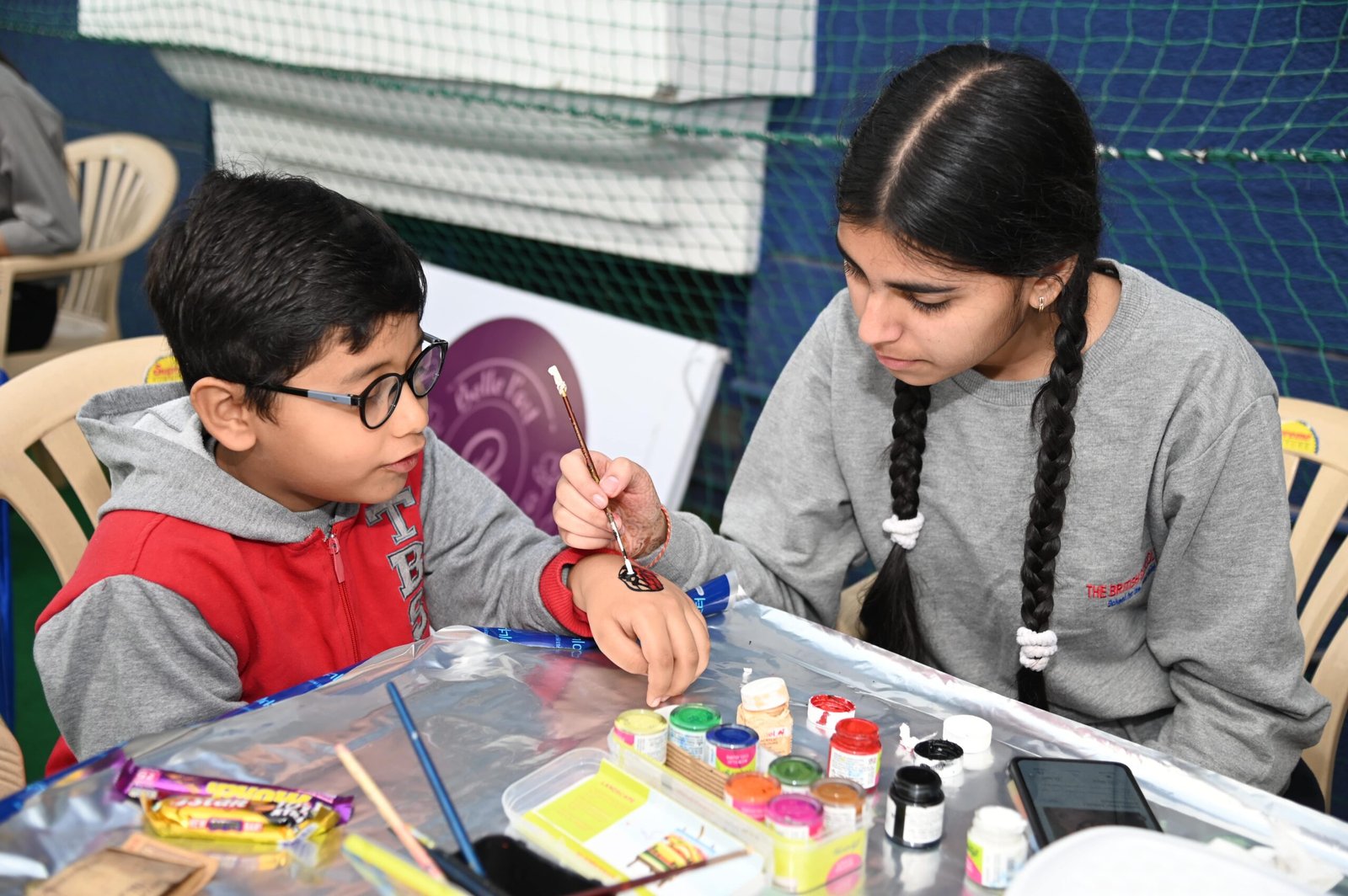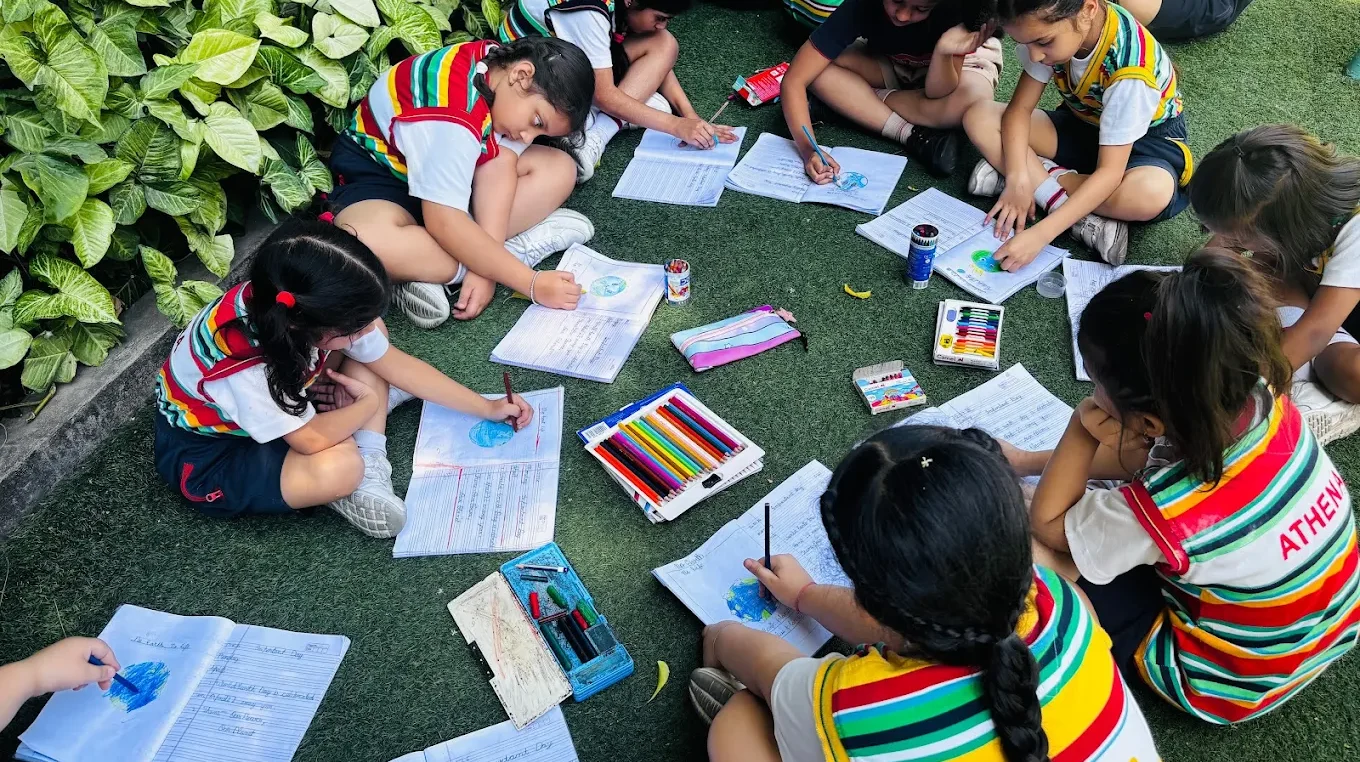
Handwriting is an essential skill that helps children communicate their thoughts clearly and confidently. Good handwriting not only improves academic performance but also enhances a child’s ability to organize ideas and complete schoolwork efficiently. While every child develops writing skills at their own pace, consistent practice and the right techniques can significantly improve handwriting.
In today’s digital age, children spend more time on screens than on paper, making handwriting practice even more important. If your child struggles with messy or unclear writing, there are several simple ways to help them develop neat and legible handwriting.
Why Good Handwriting Matters
Handwriting plays a crucial role in a child’s educational journey. Clear handwriting helps teachers understand assignments, improves note-taking skills, and boosts confidence during exams. Children with good handwriting often find it easier to express their ideas and complete written tasks effectively.
Benefits of good handwriting include:
- Better academic performance
- Improved concentration and focus
- Enhanced fine motor skills
- Increased confidence in school activities
- Better organization of thoughts and ideas
Common Reasons for Poor Handwriting
Before working on improvement, it is important to understand why some children struggle with handwriting.
Some common reasons include:
- Incorrect pencil grip
- Poor posture while writing
- Weak hand and finger muscles
- Lack of writing practice
- Difficulty with letter formation
- Rushing through written work
Identifying the root cause can help parents and teachers provide the right support.
Tips to Improve Handwriting in Children
1. Encourage the Correct Pencil Grip
A proper pencil grip is the foundation of good handwriting. Teach children to hold the pencil comfortably using their thumb, index finger, and middle finger. Avoid grips that cause excessive pressure or discomfort.
2. Focus on Proper Sitting Posture
Children should sit with their feet flat on the floor and their back straight while writing. The writing surface should be at a comfortable height to prevent strain and promote better control.
3. Practice Letter Formation
Children should learn the correct way to form letters from the beginning. Use handwriting worksheets and tracing exercises to reinforce proper letter shapes and sizes.
4. Strengthen Fine Motor Skills
Activities that strengthen hand muscles can improve handwriting. Encourage children to:
- Draw and color
- Use clay or playdough
- Cut paper with safety scissors
- Build with blocks
- Complete puzzles
These activities help develop the hand control needed for writing.
5. Use Lined Paper
Lined paper helps children maintain consistent letter size and spacing. Start with larger lines for younger children and gradually transition to standard notebook paper as their skills improve.
6. Encourage Daily Writing Practice
Consistency is key to improvement. Encourage children to spend a few minutes each day writing sentences, stories, or journal entries. Short daily practice sessions are more effective than occasional long sessions.
7. Teach Proper Spacing
Children often struggle with spacing between words and letters. Simple techniques, such as using a finger space between words, can help improve readability.
8. Slow Down the Writing Process
Many children write too quickly, leading to messy handwriting. Encourage them to focus on accuracy and neatness before increasing speed.
9. Make Handwriting Fun
Learning becomes easier when children enjoy the process. Try activities such as:
- Writing greeting cards
- Reading storybooks
- Practicing with colorful pens and pencils
- Playing word games
Fun activities can keep children motivated to practice.
10. Provide Positive Encouragement
Celebrate improvements, no matter how small. Positive feedback helps build confidence and encourages children to continue working on their handwriting skills.
Signs of Improvement
Parents and teachers can look for these indicators of progress:
- More consistent letter sizes
- Better spacing between words
- Improvement in reading
- Reduced writing fatigue
- Increased writing confidence
Remember that handwriting improvement takes time, patience, and regular practice.
The Role of Schools in Handwriting Development
Schools play an important role in helping children develop strong handwriting skills. Through structured writing activities, guided practice, and individual attention, teachers can help students improve their writing abilities while building confidence.
A supportive learning environment that emphasizes both academics and skill development helps children achieve success in all areas of education.
Conclusion
Improving handwriting in children is a gradual process that requires patience, encouragement, and consistent practice. By focusing on proper grip, posture, fine motor skills, and daily writing exercises, parents and teachers can help children develop neat and confident handwriting.
Strong handwriting skills contribute to better academic performance, improved self-confidence, and effective communication. With the right guidance and regular practice, every child can develop handwriting that is clear, legible, and easy to read.