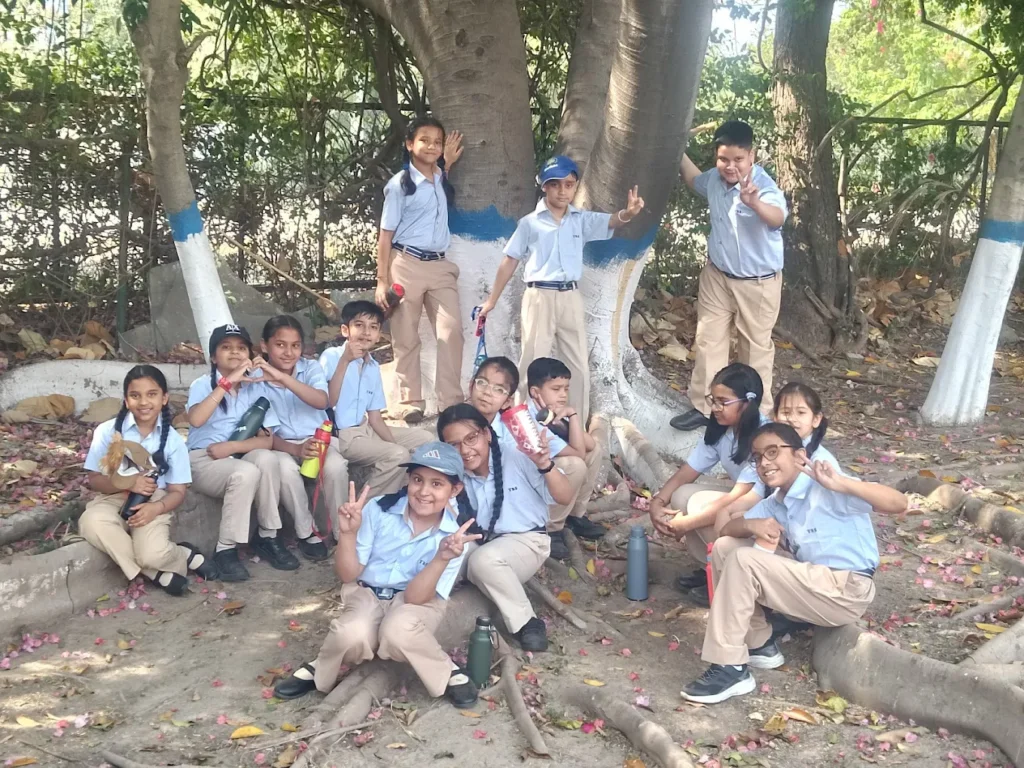
In today’s fast-paced world, education is not just about textbooks, exams, and grades. Are you aware that outdoor activities in holistic education play a crucial role in shaping a child’s overall development? Students need more than academic knowledge—they require opportunities to grow physically, mentally, socially, and emotionally. Integrating sports and outdoor experiences into learning environments ensures that children develop essential life skills while maintaining a healthy and balanced lifestyle.
Many schools today emphasize classroom teaching, but research shows that outdoor activities in schools contribute significantly to a child’s growth. These activities go beyond physical fitness; they help students develop teamwork, leadership, problem-solving, and critical thinking skills. When children engage in sports, group games, or nature-based activities, they learn to interact, communicate, and cooperate effectively with peers.
Why Physical Activity for Students is Vital
One of the biggest challenges in modern education is sedentary lifestyles. Long hours in classrooms can lead to stress, fatigue, and reduced concentration. Here, physical activity for students becomes essential. Regular exercise and outdoor games increase blood flow to the brain, enhance memory, and improve focus. Students who actively participate in outdoor learning tend to perform better academically and show higher levels of creativity.
Moreover, outdoor experiences promote mental well-being. Nature walks, team sports, and physical challenges help reduce anxiety, boost mood, and increase confidence. Children also learn resilience by facing challenges in sports and games, understanding the value of hard work, and celebrating achievements.
The Role of Outdoor Activities in Schools for Social Development
Beyond physical and mental health, outdoor activities in schools are crucial for social development. Group activities encourage communication, negotiation, and conflict-resolution skills. For example, team sports teach students how to collaborate and support one another, while outdoor challenges foster leadership qualities. Students also develop empathy, patience, and respect for others, which are essential traits for success in personal and professional life.
Outdoor activities also create opportunities for inclusivity. Children of different abilities, backgrounds, and interests can come together, share experiences, and learn valuable lessons from one another. This helps in building a positive and harmonious learning environment where every child feels valued and motivated.
How Outdoor Activities Enhance Holistic Education
Holistic education aims to nurture the mind, body, and soul. Integrating sports, games, and outdoor learning ensures that students receive a balanced approach to education. Physical, mental, and emotional aspects of development are interconnected. Schools that provide ample opportunities for physical activity for students help children build healthy habits, emotional resilience, and life skills alongside academic knowledge.
Outdoor activities in holistic education are not limited to structured sports; they also include creative and exploratory experiences. Nature walks, gardening, adventure activities, and field trips allow students to connect with the environment, improve observational skills, and develop curiosity. Such experiences make learning enjoyable and meaningful, encouraging lifelong learning habits.
Practical Ways to Incorporate Outdoor Activities in Schools
- Sports Programs: Organize regular football, cricket, basketball, or athletics sessions to enhance fitness and teamwork.
- Adventure Activities: Include activities like rock climbing, trekking, and obstacle courses to challenge students physically and mentally.
- Nature-Based Learning: Plan field trips, gardening sessions, or nature walks to enhance observational skills and environmental awareness.
- Fitness Routines: Encourage yoga, aerobics, or mindfulness exercises outdoors to improve concentration and mental health.
- Group Games and Competitions: Organize fun events that require cooperation, strategy, and leadership, helping students develop social skills.
Implementing these activities regularly ensures that students do not miss out on vital aspects of growth while pursuing academic excellence.
Conclusion: Why Outdoor Activities in Holistic Education Are Essential
In conclusion, outdoor activities in holistic education are more than just a break from classroom learning—they are fundamental for the overall development of students. Integrating sports, physical activities, and outdoor experiences enhances physical health, mental well-being, social skills, and emotional resilience. Schools that prioritize such activities create an environment where students can thrive academically while also developing critical life skills.
Encouraging children to participate in outdoor activities in schools and providing opportunities for physical activity for students ensures they grow into well-rounded, confident, and capable individuals ready to face the challenges of the future.